
Build Crafting in Project: Aura
Characters plus runes plus potions plus food — the mix Rival Ducks actually sold.
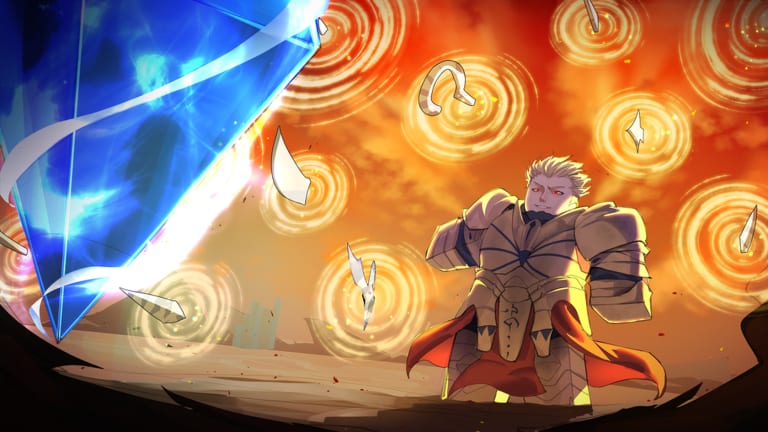
Rival Ducks did not ship Project: Aura as a roll-and-flex simulator. The experience page leads with deep build crafting: mix characters, runes, potions, and food into a setup nobody else is running. This guide is the decision layer that sits on top of how to roll. If your inventory is loud and your equipped loadout is a default, you are collecting, not playing.
A build in this game is four layers that have to agree:
- Character — the animated body, the VFX identity, the role.
- Runes — the long-lived modifiers you socket or equip around that body.
- Potions — timed or consumable spikes.
- Food — the quieter sustain or buff layer that people skip because it does not screenshot well.
Skip any layer and you are bringing a roster piece to a composition fight. The runes and potions page ranks those mix-ins by job. The character tier list ranks bodies by role. This page is how they snap together.
Pick a job before you pick a favorite
Launch-week players equip whatever just dropped. That is how eight people in a server all look different and all play the same. Name a job in plain language:
- Carry — the piece you show when you walk into a new area.
- Flex — the piece that still works if the next weekly character makes your carry look dated.
- Support engine — potions, food, and runes do the work; the body is a vehicle.
- Explorer — movement, survive-the-map, exploration first.
You only need one job for the first session. You can keep extra characters in the collection without putting them on the mannequin.
The composition test
After you equip a character, ask four questions. If you cannot answer them, you do not have a build yet.
- Which rune makes this character cheaper or stronger at the job I named?
- Which potion do I press on purpose, not by accident?
- Which food is always on, and what happens if I forget it?
- Which upgrade tree node (guide) supports this loop instead of a different loop?
If the answers are “whatever I just bought from a merchant,” go back. Merchants are for filling a recipe, not for becoming the recipe.
Why “nobody else is running this” is the design goal
RNG games collapse into a single screenshot meta. Rival Ducks is trying to dodge that by making the mix combinatorial. Two players can roll the same character and still disagree because the rune-potion-food stack is different. That is the point of 42+ bodies with unique animation work: they are verbs, and the mix-ins are grammar.
Do not copy a lobby loadout pixel for pixel. Copy the job. If someone is clearly an exploration mule, look at how they move, not which hair they rolled. If someone is a plaza flex, ignore them and go play the hybrid.
Spending Prism on a build, not on a vibe
Prism from RELEASE and the group gift should hit in this order:
- The missing mix-in that makes your equipped character pass the composition test.
- A tree node that reduces the cost of that loop.
- Merchant restocks that match the recipe.
- Extra rolls. Yes, fourth. Tickets without a recipe create more unanswered questions.
Lucky rolls are for a missing character role. Prism is for the grammar. Mixing those two budgets is the most common launch-week failure.
Building during weekly content
New content every week and a larger gameplay patch every two weeks means your S-tier screenshot will rot. Build for:
- Replaceable carry — you can swap the body without trashing every rune.
- Portable runes — modifiers that still make sense on next week’s drop.
- Potion discipline — do not drink the rare one as a plaza emote.
- Food uptime — the boring layer that wins incremental games.
When a patch lands, read launch / roadmap before you dismantle a working recipe. Incremental games often add a node that buffs last week’s food instead of demanding a full reroll.
Example session (no fake item names)
You have three characters. One clearly wants to be on-screen. You buy one rune that supports that on-screen job, one food that stays active while you explore, and you park potions until a merchant sells the matching flavor. You climb two tree nodes that say they help rolling or inventory, not because they glow. You still have lucky tickets. You log out. That is a successful build session even if chat says you “did not grind.”
When a build is done enough
A build is done enough when you can play the other systems without opening inventory every twenty seconds. If you are still swapping in the plaza, you are theorycrafting, which is valid, but it is not exploration and it is not a tree climb. Use the session planner to pick one: craft, climb, or walk.
If you feel behind the 42-character roster, you are not. You are behind a recipe. Finish the recipe. The tier list hub will still be there when the next weekly drop tries to distract you.
Frequently Asked Questions
Quick answers for Project: Aura players on Roblox.
What is a build in Project: Aura?
A character plus runes plus potions plus food that share one job. Rolling alone is collecting. See the composition test above.
Should I copy the rarest character in my server?
Copy the job if it is obvious, not the cosmetics. Weekly drops will shuffle bodies. Mix-ins travel better.
Do I spend Prism on rolls or on runes first?
On the missing mix-in and the upgrade tree. Tickets are fourth.
Where do I buy potions and food?
From merchants and from whatever the tree and exploration loops print. Match them to a recipe.
Is there a single best build?
Not at launch. The character tier list ranks roles. Your mix should be portable across weekly content.